Keyless entry systems let you unlock your NYC apartment with a code, fingerprint, or smartphone instead of a physical key -- and many options work for renters without permanent modifications. The right system depends on whether you rent or own, your building's rules, your door type, and whether you need to share access with dog walkers, cleaners, or guests. A locksmith can help you choose and install a system that meets NYC building code and your co-op or condo board requirements. Call (718) 412-1332 for smart lock consultation and installation.
The daily reality of NYC apartment living makes keyless entry especially appealing:
Not every keyless system suits every NYC living situation. Here are the main categories and who they work best for:
These mount on the interior side of your existing deadbolt, leaving the exterior cylinder completely untouched. Your landlord's key still works. When you move out, you remove the smart lock and reinstall the original thumb-turn in minutes.
How they work: A motorized unit attaches to the deadbolt's interior thumb-turn and operates it electronically via Bluetooth, Wi-Fi, or both. You control it with your phone, a voice assistant, or (with some models) an optional external keypad.
NYC advantage: Because the exterior hardware does not change, most buildings allow these without board approval. Your landlord retains physical key access as required by NYC Real Property Law Section 51-c.
Popular options: August Wi-Fi Smart Lock, Level Lock, SwitchBot Lock. These range from approximately $100 to $300 for the lock unit alone.

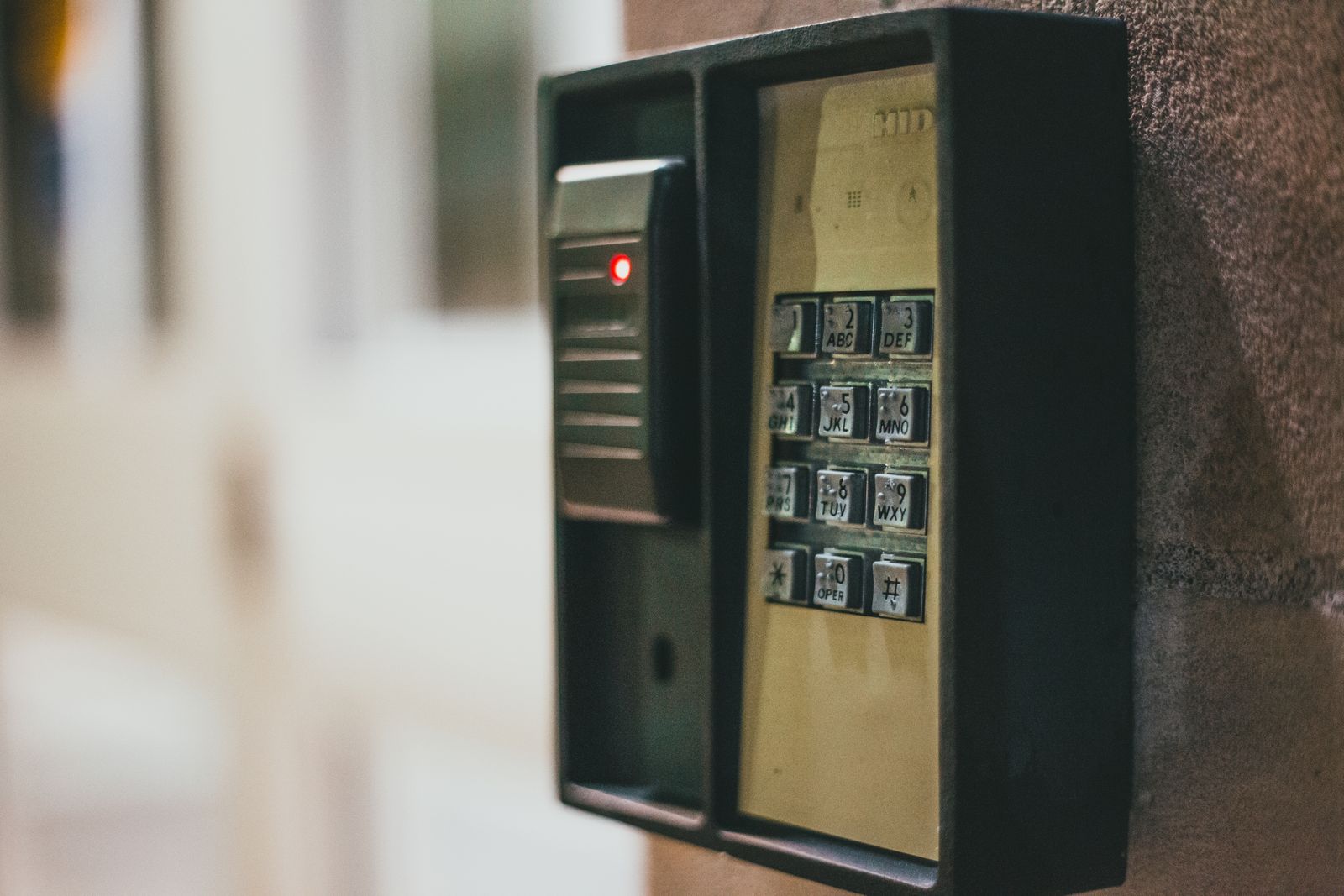
These replace the entire deadbolt assembly with a keypad on the exterior and a thumb-turn on the interior. You enter a numeric code to unlock. Most also include a physical key cylinder as a backup.
How they work: The keypad is built into the exterior escutcheon. You program user codes (typically 4 to 8 digits) that retract the deadbolt. Many models support multiple codes, so you can assign different codes to different people and track who enters when.
NYC consideration: Because the exterior hardware changes, co-op and condo boards may need to approve the installation. Some buildings require uniform exterior hardware on all units. Check your proprietary lease or house rules before purchasing.
Popular options: Schlage Encode, Yale Assure, Kwikset SmartCode. These range from approximately $150 to $350.
These use a fingerprint scanner to authenticate you, sometimes combined with a keypad as a backup method. They are fast and eliminate the possibility of forgotten codes.
NYC consideration: Fingerprint sensors can struggle in cold NYC winters if your fingers are numb or wet. Look for models with both fingerprint and keypad entry. These are more common on interior doors (bedroom, home office) than apartment entrance doors, though quality entrance-door models exist.
These replace the entire lock assembly -- inside and outside -- with a connected smart lock. They typically offer the widest range of features: phone unlock, keypad, fingerprint, auto-lock, guest access, integration with home automation systems, and video/doorbell camera pairing.
NYC consideration: This is the most feature-rich option but also the most likely to require building approval. The lock must still meet NYC Housing Maintenance Code requirements: a deadbolt with a minimum 1-inch throw. Some smart locks vs. traditional locks trade physical security grade for digital features -- ask your locksmith to confirm the replacement is Grade 2 or better.
Before buying any keyless system, understand your building's rules. Here is what typically applies in NYC:
Use this checklist to narrow down the right system for your NYC apartment:
| Factor | What to Check |
|---|---|
| Door material | Steel doors (most NYC apartments) may need a locksmith for replacement-type installations |
| Existing deadbolt compatibility | Retrofit locks must fit your specific deadbolt brand and backset (typically 2-3/8" or 2-3/4") |
| Building rules | Co-op/condo alteration approval needed? Uniform exterior hardware required? |
| Landlord key access | NYC law requires landlord key access -- choose a system that preserves this |
| Power source | All smart locks use batteries; check battery life expectancy and backup entry method |
| Connectivity | Bluetooth-only requires you to be within range; Wi-Fi allows remote unlock and monitoring |
| Physical key backup | Essential in case of dead battery or electronic failure -- avoid locks without one |
| ANSI/BHMA grade | Grade 2 minimum for an apartment entrance door; Grade 1 for maximum security |
Retrofit smart locks (August, Level) are designed for DIY installation -- they clamp onto your existing deadbolt and take about 10 to 15 minutes with a screwdriver. No drilling required.
Full deadbolt replacements (keypad deadbolts, biometric locks, full smart lock replacements) are a different story on NYC apartment doors. If your door is steel -- which is the case in most NYC multi-unit buildings -- professional installation ensures:
A licensed locksmith also provides a receipt that documents the installation as code-compliant -- useful for co-op/condo board records or landlord approval documentation.
Smart locks add convenience, but consider these security factors:
In most cases, yes -- as long as the smart lock preserves the exterior cylinder so your landlord's key still works. Retrofit smart locks (August, Level, SwitchBot) mount on the interior without changing the exterior. Check your lease for lock modification clauses, and keep the original hardware to reinstall when you move out.
Yes. Smart locks run on batteries, not building electrical power. Most provide 6 to 12 months of battery life and send low-battery alerts to your phone. If batteries die completely, nearly all models have a physical key override or an external battery terminal for emergency power.
It depends on your building's house rules. Many boards allow smart locks if the exterior appearance matches existing hardware, building management retains physical key access, and the deadbolt meets NYC code. Submit a written request to your managing agent before purchasing.
Most smart locks have a backup physical key cylinder -- always carry the key. Some models have an external micro-USB or 9V terminal for emergency power. If you are locked out, call (718) 412-1332 -- we can open the door without damaging the lock and replace the batteries.
A quality smart lock with a Grade 2 or Grade 1 deadbolt mechanism provides equivalent physical security. The convenience features do not weaken the physical lock. Avoid cheap models (under $100) with weaker internals. The main digital risk is PIN observation -- use a randomized code and enable auto-lock.